Welcome to Cambio Physio

Neurodivergent affirming physiotherapy

A different physiotherapy space

Hands on care and assessment alongside active rehabilitation options

Strong neurodivergent affirming focus for adults.
ADHD and autistic people very welcome
– Gamified and accountable rehab options
– Sensory needs catered to

Longer sessions:
– 1 hour 15 initial consultations,
– 50 minute follow ups,
– 30 minute options for steady state or uncomplicated follow up care

Cambio Physio is:

  • Neurodivergent affirming
  • Hypermobility aware
  • Chronic pain specialised
  • Passionate about complex conditions such as chronic regional pain syndrome (CRPS) and functional neurological disorder (FND)
  • Dance rehab and performance specialist
    – Ballet
    – Pole dance
    – Contemporary dance
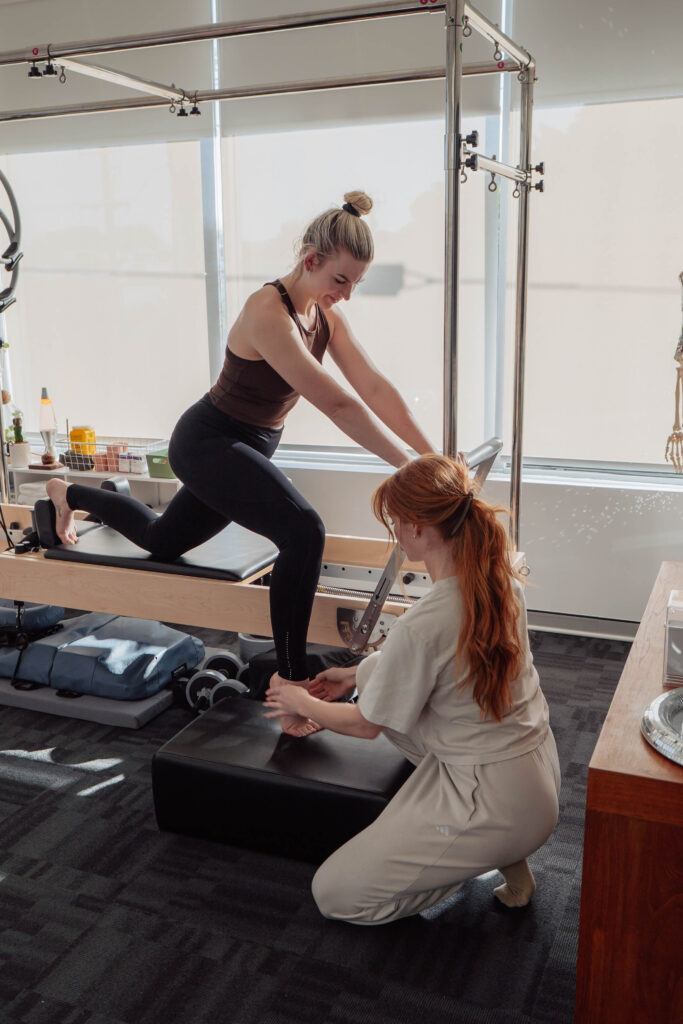
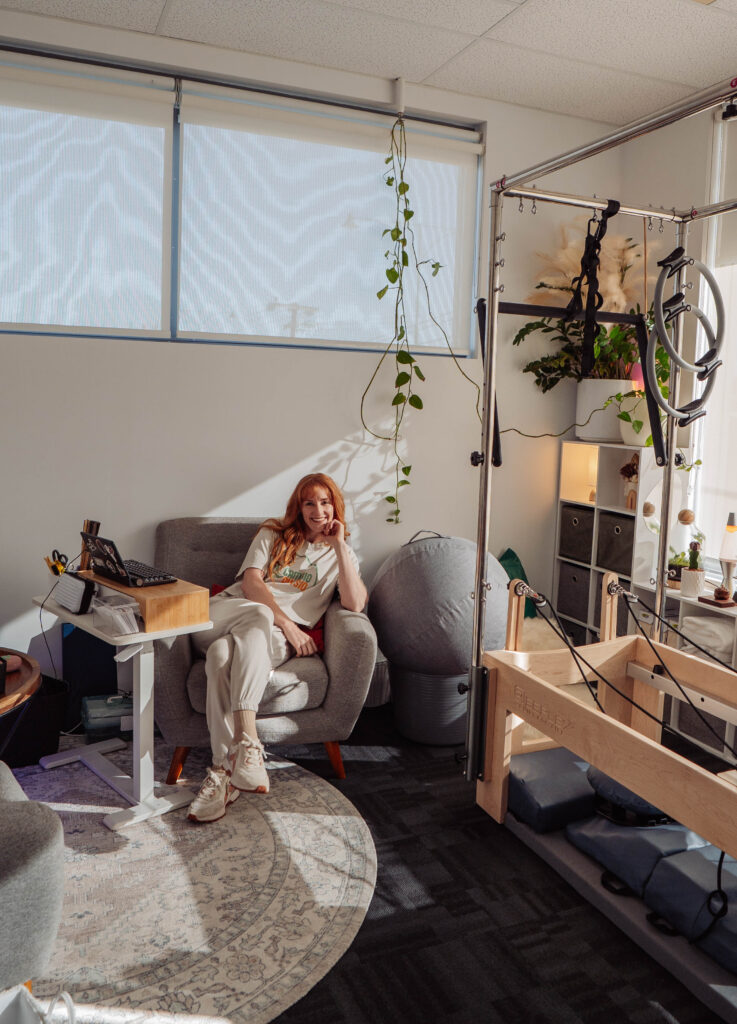
  • A comfortable clinic (couches, sitting on the floor encouraged, NO BRIGHT LIGHTS, less clinical feel, pilates reformer or matwork based rehab and hands on treatment available in the same room)

Accepted claims

Accepting of all health funds, Chronic Condition Management Plans (formerly CDMP, or EPC’s) through your GP, Worker’s compensation (WC), Department of Veteran’s Affairs (DVA), Motor Vehicle Accident claims (ICWA), and NDIS claims (self managed and plan managed).

Specialities

Hypermobility awareness

Hypermobility exists on a spectrum of severity, and people experience it very differently, even along that spectrum.

Depending on strength, body awareness, and underlying connective tissue conditions (such as Ehlers-Danlos Syndrome), you may manage well, and be almost unaware you are technically hypermobile, or, you may face related pains, frequent sprains, dislocations or subluxations, coordination and balance challenges, or fatigue that sets in earlier than those around you.

Having a physiotherapist who understands hypermobility is really important.

I won’t be shocked by your hypermobility, and I won’t disregard it.

I provide practical, real-world strategies from one hypermobile body to another, through the lens of what I’ve learned as a physiotherapist, dancer and someone with chronic illness.

I can share many long-term movement solutions, pain management techniques, and tricks that actually work.

Chronic Pain


Physiotherapy for people in chronic pain looks a little different.

When you are dealing with pain that is ongoing we need to do our best to meet you where you are at. Usually this will not look like traditional rehab.

Understanding what main kind of pain you are dealing with is important, as if you have an underlying chronic disease process there may be inflammation patterns we need to adjust to as your body works through flares. Creating a plan to manage your mobility on your worst days, and gradually build strength and reassess movement goals is important.

Sometimes pain is ongoing after an injury its inflammatory and healing processes have ended, leaving no clear structural rationale for why you are still in ongoing pain.

This is usually a downside to our neuroplasticity, where instead of changes we want, your brain and spinal cord have made changes attempting to better protect you from the injury. They get better and faster at delivering messages of threat and pain from the area, hoping this will lead to more protection and healing. Unfortunately sometimes this results in pain spreading further from the original site, movment being increasingly painful, and in previously non painful sensations like light touch or heat now causing pain.

We have many evidence based rehabilitation methods to help you rewire these kind of neural highways. It may look like mirror therapy, imagined pain free movement, mindfulness, creative movement, (dance and games), and include the use of supports and braces along the way to help you feel safe with movement again and gradually build to strength training a bit later down the track.

We need to figure out what the main driver is for you, and find what works to help you do more of what brings you purpose.

Dance Rehab and performance

With a background in ballet and contemporary dance, I have a good understanding of the dancer’s body, training demands, and common injury patterns.

I speak a lot of dance terminology pretty fluently (particularly ballet, contemporary and pole dance), making it easier to communicate in session. Extra upsides here include:

  • ease of relaying findings and recommendations to teachers
  • rehab is integrated well into your dance training schedule


I particularly love working with:
– Ballet & contemporary dancers
– Irish dancers
– Pole dancers

But really: if you dance, I’m interested.

Functional Neurological Disorder (FND)

FND is the most common neurological disorder you never knew about.

It is the second most common reason for a referral to a neurologist second only to migraine.

FND often presents rather rapidly, and does so in many different ways, including:


– Seizures

– Paraplegia or limb weakness

– Loss of sensation or feeling disconnected from a limb

– Chronic pain that moves unpredictably

– Blindness and vision problems

Diagnostic work up is usually a difficult and frightening experience, given the gravity of the symptoms, and the paradox of all imaging and blood tests coming back: normal.


If you have been diagnosed with FND it’s important to know this is not a diagnosis of exclusion.

There are rule in diagnostic criteria that a neurologist familiar with functional movement disorders can confidently and accurately diagnose with a lower misdiagnosis rate than other neurological conditions such as multiple sclerosis.

In FND often a metaphor of a computer is used to better explain what is happening: there is no problem with the physical computer or circuit boards, but with the software. Kind of like your nervous system needs a serious reboot.

Unfortunately this is not often explained well and patients are left feeling it is believed they are faking their symptoms, or that “it is all in your head”.

Connections to knowledgable and passionate healthcare professionals: psychologists, physiotherapists, occupational therapists, GPs and neurologists are also often difficult to find.

The very good and uplifting news:

FND is often reversible with the right rehabilitation approach and multidisciplinary team alongside.

This typically involves:

✅ A strong focus on regulating the nervous system (in physio this might look like learning more about and meeting your sensory needs and practising mindfulness in session)

✅️ Ensuring you are connected with a good psychologist if you do have underlying trauma which may need specialised care. Please note, a history of psychological trauma although common in people with FND, is not present in everyone.

✅ Re-establishing quietened neural pathways by targeting automatic functions of vision, balance, movement, and sensation with reduced cognitive load (in FND the more you actively *try* to do the thing you can no longer do, the harder it gets. So we do the opposite in rehab. Less trying, more play.)

✅ Ensuring you feel more in control of your rehab, safer in your body, and have tools for self management and fostering improvement longer term.

Catherine’s extended learning and support:

I am learning from leading FND specialists in Australia and have recently traveled to Brisbane to attend the 2025 FND Symposium

I’m now back and filled with enthusiasm to better help in my capacity as your physio.

Know you are not alone, and there are networks of professionals here to help and reach out to, even if the majority seem they are interstate or around the world.

If you are a health professional in Perth and interested in FND, please reach out! I’m hopeful to build a community of health professionals here in Perth WA to better support each other to in turn better support our clients.

Complex Regional Pain Syndrome

CRPS is believed to share neurological similarities with FND, but it is typically isolated to one limb and often triggered by surgery or injury. The brain may disengage from the affected limb, while the sympathetic nervous system becomes dysregulated.

Common signs include:
– Circulatory issues (blotchy skin, abnormal swelling without infection)
– Limb disconnection (feeling “alienated” from the affected area)
– Unusual pain responses (pain that is excessive, or numbness without a clear cause)

Much like FND, treatment focuses on reconnecting the brain with the limb in non-threatening ways.

This includes:
– Simple range-of-motion exercises
– Mirror therapy to restore sensory integration
– Tailored strategies based on individual neurological responses

Both CRPS and FND are overrepresented in neurodivergent individuals. For people who already process the world around us in often heightened ways, caring for a client’s sensory needs is again vital to avoid further overstimulation and dysregulation. A sensory-informed approach is key to making better neuroplastic changes as smoothly as possible.

Come try an approach that keeps this at the forefront and see what happens.

Small steps – Big changes